Kelley's Sewage Cleanup
Webster, IA · 52355 Basements · Bathrooms · Crawl Spaces · Businesses

Sewage Backup Cleanup in Webster, IA Near Me

When drains push sewage back into the house, a local crew pumps it out, strips wet materials and disinfects what stays.

Sewage Backup Cleanup
Local Cleanup Crews
Category 3 Procedures
Homes and Businesses

A sewage backup usually shows up at the lowest drain in the house first: a basement floor drain, a lower-level shower or a toilet that won't stop rising. If that is happening now in Webster, IA, stop running water upstairs and call us. We connect you with a local crew that handles sewage backup cleanup from extraction to drying.

Signs the backup is in the drain line

One slow sink is a clog. Several fixtures acting up at once points to the main line. Watch for:

  • Gurgling from a toilet when the washing machine drains
  • Water rising in the tub when you flush
  • Dark water around a floor drain after heavy rain
  • A sewer smell that comes and goes near a lower-level drain

Any of these means the water has nowhere to go but back up. A backup through a tub is common enough that we cover it on its own page for bathtub sewage backups.

How the cleanup goes

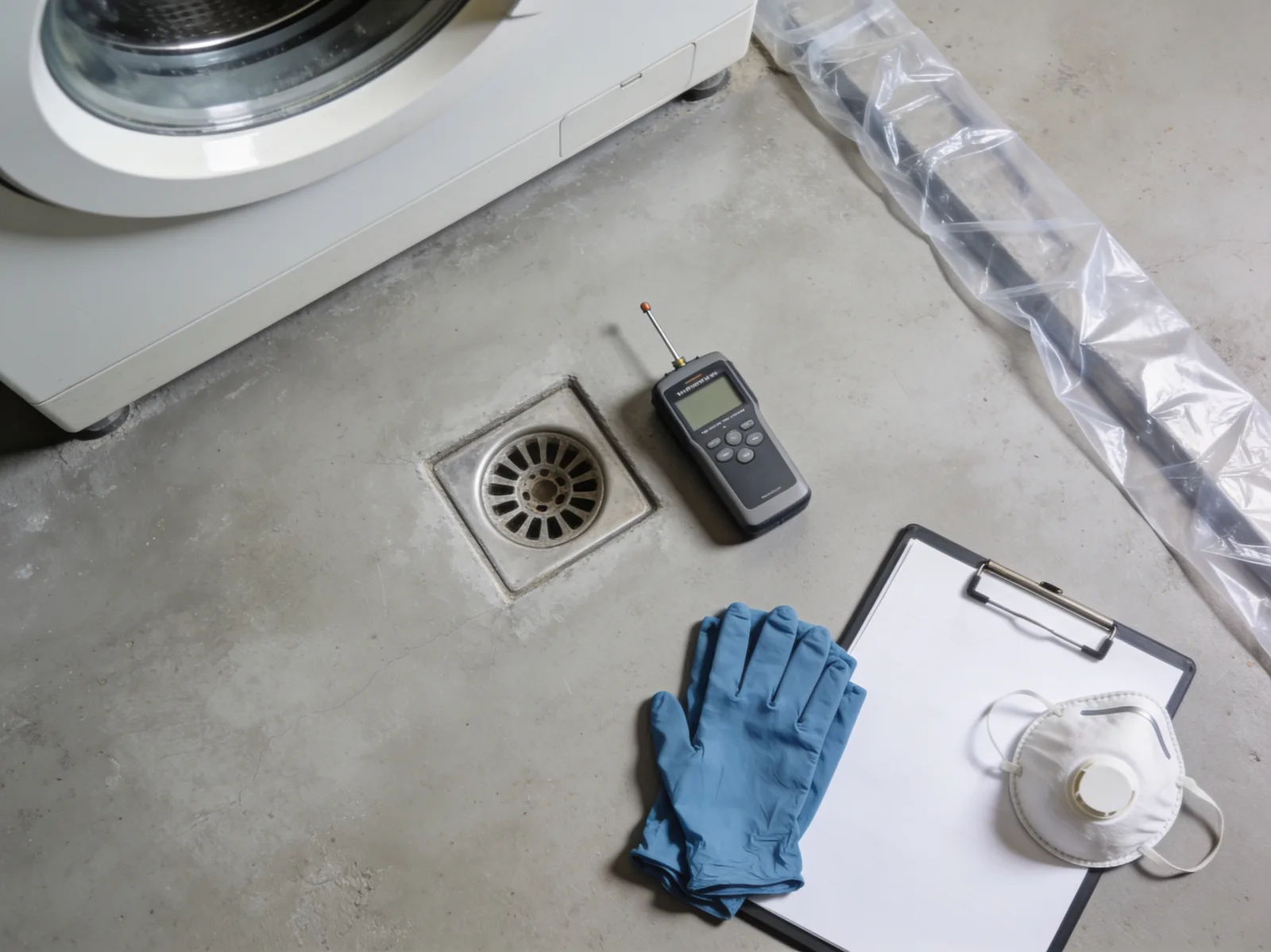
The crew suits up in gloves, boots and respirators, then extracts the standing water. Anything soft that sat in it, such as rugs, carpet pad and boxes, gets bagged. Baseboards come off so the crew can see whether water got behind the wall. Hard floors are scrubbed, then treated with disinfectant and given time to work before rinsing. Drying equipment stays in place for several days, and moisture readings get logged each visit so you know when the structure is actually dry, not just dry to the touch.

Repeat backups

Backups that keep happening usually have a physical cause in the line. Roots in clay pipe, a sagging section of pipe, grease buildup or a municipal main that surcharges in storms are the usual suspects. Pinning that down may take a plumber with a camera, and the cleanup crew can share what they observed. If the water is coming from the street side, the page on sewer backup cleanup covers the city line angle. Some homes add a backwater valve afterward, which is a question for a plumber. Note when the backups happen, after laundry, after storms or at random, since that pattern helps whoever diagnoses the line.

Insurance and records

Many standard homeowner policies exclude sewer backup unless a specific endorsement was added. Check your declarations page. Either way, take photos before anything is moved, keep a list of discarded items and ask the crew for their moisture logs. That paperwork helps whether or not a claim is filed. If the smell lingers after the work, look at sewage odor removal.

Call (217) 404-1483 and we will connect you with a crew that does sewage backup cleanup in Webster, IA.
How cleanup works

Four steps to a clean, dry space in Webster, IA

01

Stop the water

Shut off every fixture, keep kids and pets out, and take photos from a dry spot. Then call and tell us where the sewage is.

02

Get matched with a crew

We connect you with a local sewage cleanup crew covering Webster, IA and you go over the scope, timing and price with them.

03

Extract and remove

The crew pumps out the sewage, bags solids and cuts out carpet, pad and drywall that soaked it up.

04

Disinfect and dry

Hard surfaces get cleaned and disinfected, then air movers and dehumidifiers run until moisture readings show dry.

Coverage

Sewage Cleanup Across Webster, IA

Sewage backup cleanup across the neighborhoods and ZIP codes around Webster, IA.

ZIP codes we serve

52355
Sewage Backup Cleanup in Webster, IA

Sewage cleanup FAQs

Frequently asked questions about sewage cleanup

Questions we hear most about Sewage Backup Cleanup in Webster, IA.

Talk to a real person
How much does sewage cleanup cost in Webster, IA?
<p>There isn't a single number, because the price is built from the job itself. The big drivers are the square footage affected, how deep the water got, how long it sat, and how much material has to be torn out and hauled away. Finished basements with carpet and drywall cost more than bare concrete. Drying days, containment and disinfection add to it. A crew can only price it after seeing the space and taking moisture readings, so ask them to walk you through each part of the <a href="/services/sewage-damage-cleanup">damage cleanup</a> scope.</p>
What should I do right after sewage backs up into my house?
<p>Stop using all water in the house: no flushing, showers, dishwasher or laundry. Keep kids and pets out of the area. If water is near outlets or the electrical panel, stay out of it. Take photos and video from a dry spot for your records. Open windows if you can reach them without walking through the water. Then call for cleanup, and if the drain is still blocked, plan on a plumber too. The first-hour steps are covered in more detail on our <a href="/services/emergency-sewage-cleanup">emergency sewage cleanup</a> page.</p>
How long does sewage cleanup take?
<p>Extraction and tear-out usually happen in the first day or so. Drying is the longer part. Most structures need three to five days with air movers and dehumidifiers running, sometimes more in a humid basement or with thick materials like hardwood subfloor. The crew should take moisture readings each visit and leave the equipment until materials reach dry targets. Rebuilding comes after that and depends on the contractor. A small toilet overflow on tile can be done much faster than a finished basement.</p>
How do I get rid of a sewer smell after a backup has been cleaned?
<p>A lingering smell usually means something is still wet or contaminated: carpet pad left in place, drywall that wicked higher than anyone checked, or damp framing. Moisture readings help find it. A dried-out floor drain trap can also let sewer gas in, and pouring water down the drain often fixes that. Deodorizing only works after the source is gone. Our page on <a href="/services/sewage-odor-removal">sewage odor removal</a> explains how crews track the smell down.</p>
Will a sewage backup cause mold?
<p>It can, if materials stay wet. Mold needs moisture and something to feed on, and wet drywall paper, wood and carpet backing provide both. The risk climbs the longer the structure stays damp, which is why cleanup includes several days of drying with air movers and dehumidifiers and readings to confirm materials are dry. Closing up walls over wet studs is a common way mold problems start. Getting the water out quickly and drying properly is the main defense.</p>

Book sewage cleanup

Sewage Backup in Webster, IA? Call now.

Tell us where the sewage is and we connect you with a cleanup crew covering Webster, IA. Scope, timing and price are gone over on the call. (217) 404-1483.

Call (217) 404-1483 Services